What Is Radon?
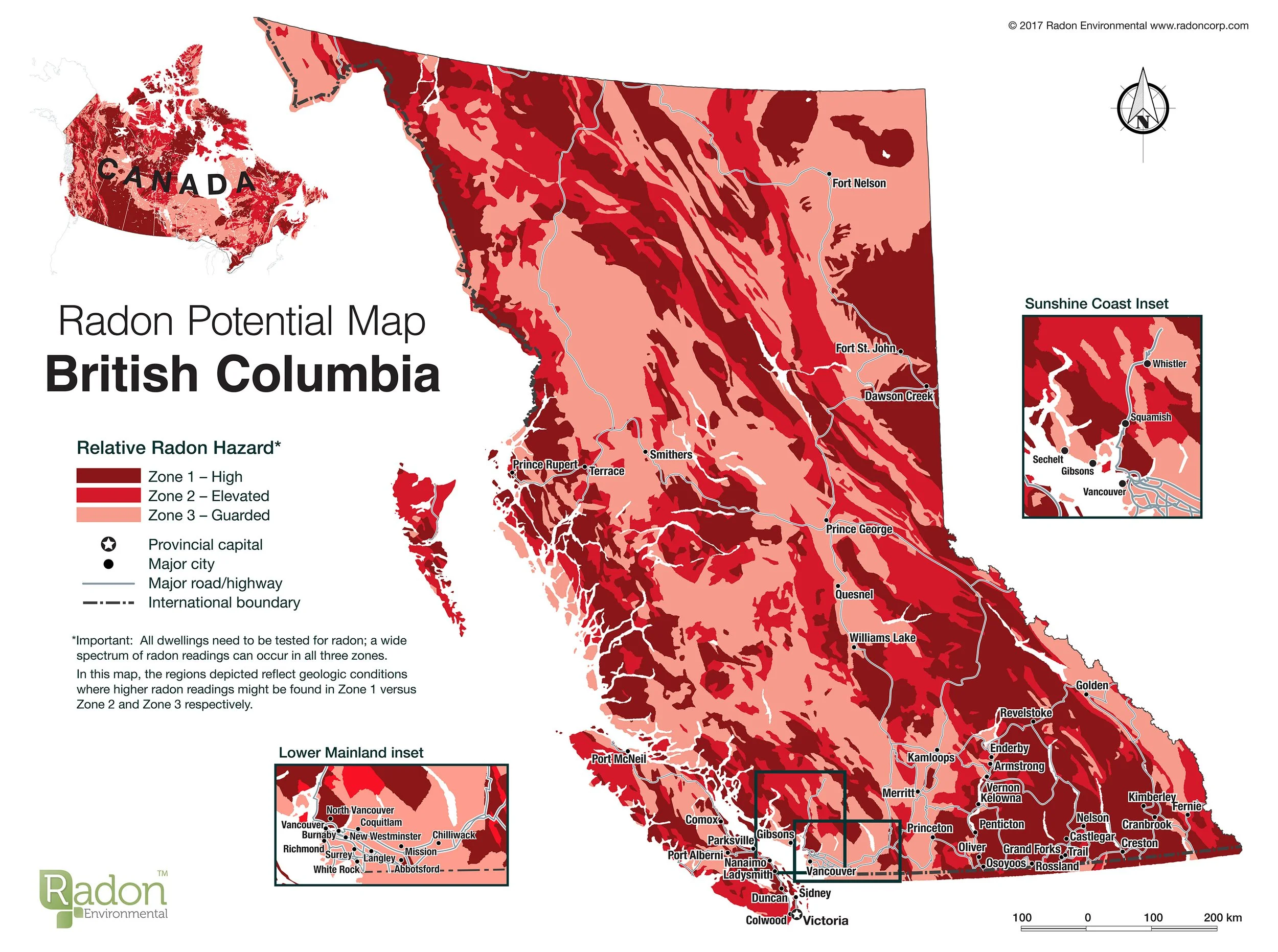
Radon is a naturally occurring gas that comes from the breakdown of uranium in soil and rock. In some homes, it can collect indoors. A professional test provides a clear picture of the level in the living space.
How Testing Works
A calibrated monitoring device is placed in the lowest lived-in level of the home, where it measures radon concentration over a defined period.
Testing is conducted under closed-house conditions to ensure consistent and reliable results. Once complete, the data is analyzed and provided in a clear written report.
Why Choose Professional Testing?
Our professional testing service provides more than just a radon reading. We ensure the monitor is placed in the optimal location, verify that testing conditions meet industry guidelines, review the collected data, and provide a comprehensive written report with clear recommendations based on the results.
Professional testing also gives you a knowledgeable point of contact to answer questions, interpret the results, and discuss appropriate next steps if elevated radon levels are identified.
Testing Options
Short-Term Diagnostic (48–96 hours):
Used to identify elevated levels and determine if further action is required.
Long-Term Measurement (90+ days):
Provides a more accurate representation of average annual exposure and is used for confirmation when needed.
Short-Term Diagnostic Test — Request a Quote
Includes professional setup and retrieval of the monitoring device, data analysis, and a comprehensive written report with clear results and recommendations.
Long-Term Confirmation Test — Request a Quote
Includes professional device deployment, retrieval, laboratory analysis, and a written report with your home's average radon level and guidance on whether further action is recommended.
Reporting
Each test includes a clear written report with the measured radon result, testing details, and guidance on whether no action, follow-up testing, or mitigation should be considered.
When a Long-Term is Needed
Long-term testing is recommended when confirmation of average exposure is important, when a short-term result needs follow-up, or when a more representative measurement is preferred for decision-making.
Airthings Corentium Pro
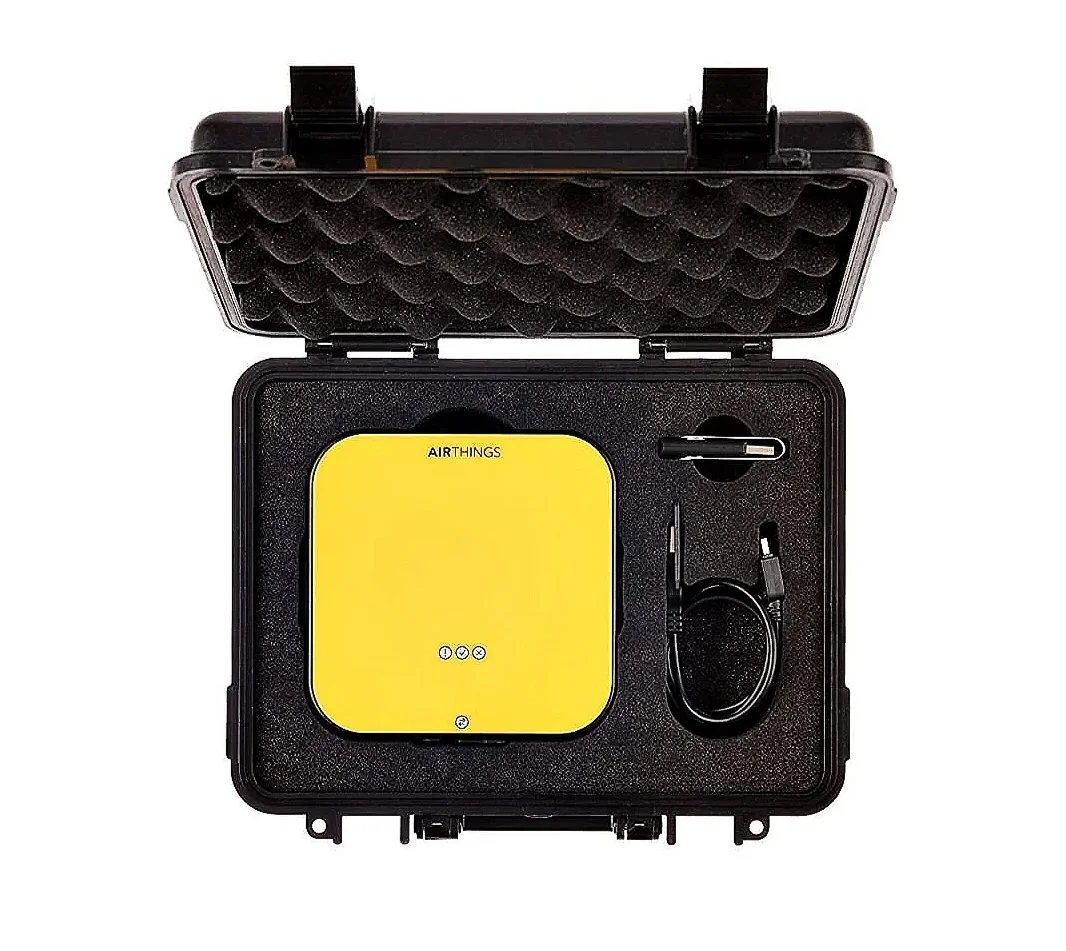
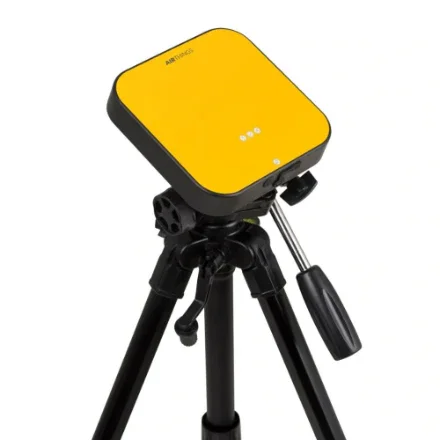
We use the Airthings Corentium Pro, a laboratory-calibrated professional continuous radon monitor. Each unit is maintained and calibrated in accordance with professional requirements to provide reliable, high-quality radon measurements.
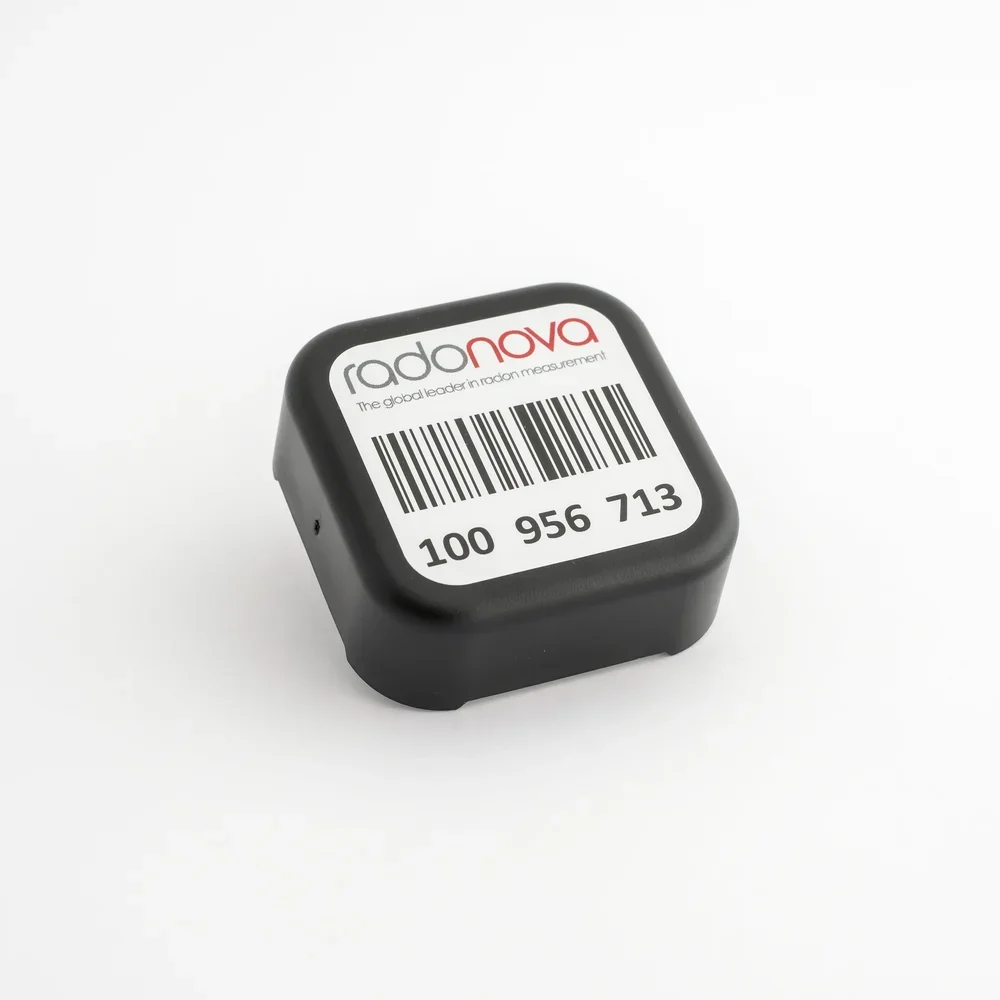
Radonova Radtrak³ Alpha Track Detector
We use the Radonova Radtrak³, a professional long-term alpha track detector analyzed by an ISO/IEC 17025-accredited laboratory. Tested over a minimum of 90 days, it provides the most representative measure of your home's average radon level and supports confident long-term decision-making.